Fishing game basics: cast, hook and reel without the frustration
Most fishing games share the same core loop of casting, waiting, hooking and reeling. Here is a friendly walkthrough of each stage so your first sessions feel relaxing instead of confusing.
The cast: distance versus accuracy
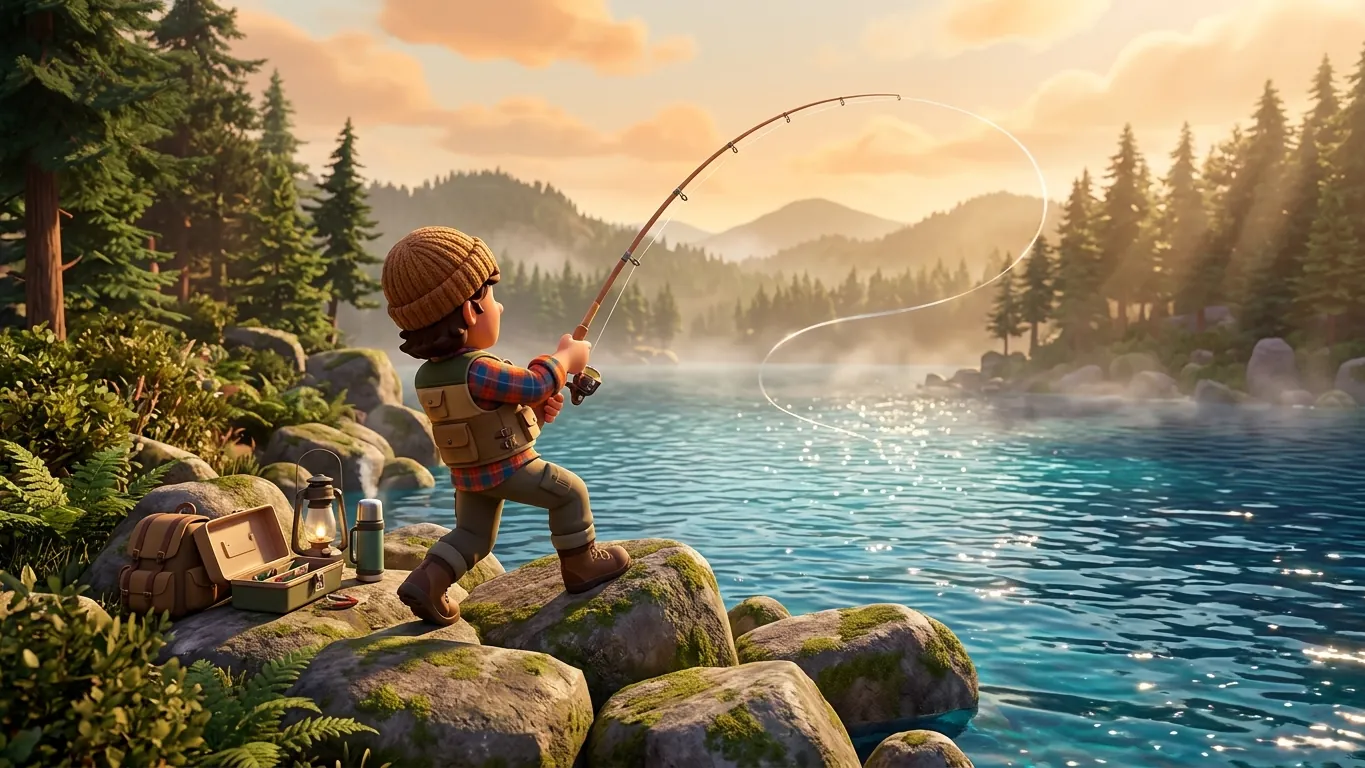
Almost every fishing game starts with a cast. Usually you hold a button or pull back a stick to build power, then release to send your lure out. The longer you hold, the farther it goes, up to a point. Many games add a timing element where releasing at the right moment gives you a cleaner, more accurate throw.
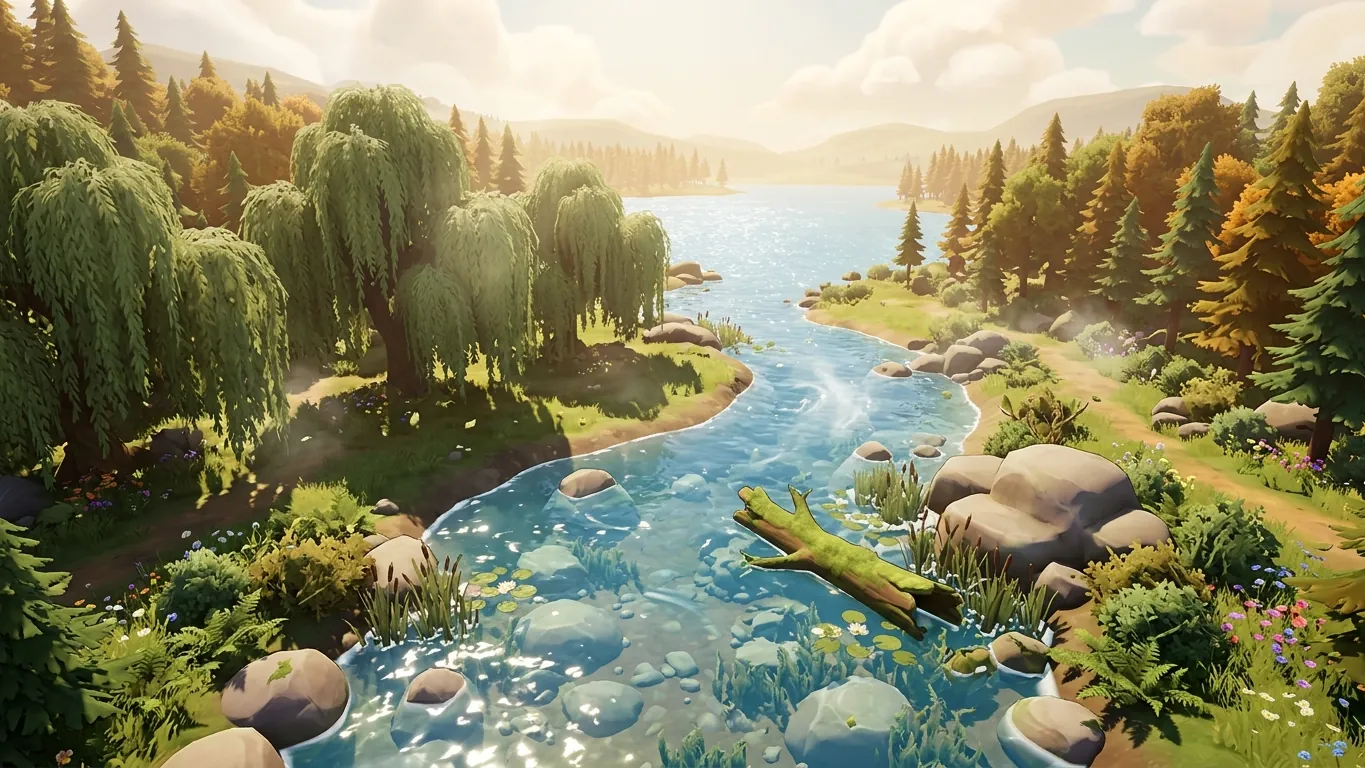
It is tempting to max out every cast, but distance is not always your friend. In games that model fish locations, the best spot might be just a few yards away near a fallen log or the edge of weeds. Try short, accurate casts toward visible features before you start launching your lure to the middle of the lake. Real anglers think the same way: a well-placed cast often matters more than a long one.
Waiting for the bite
Once your lure lands, the game usually lets you retrieve it slowly, twitch it or simply let it sit. This is where many new players get restless. Fishing, real or virtual, is built on patience, and games often reward you for staying calm and watching closely.
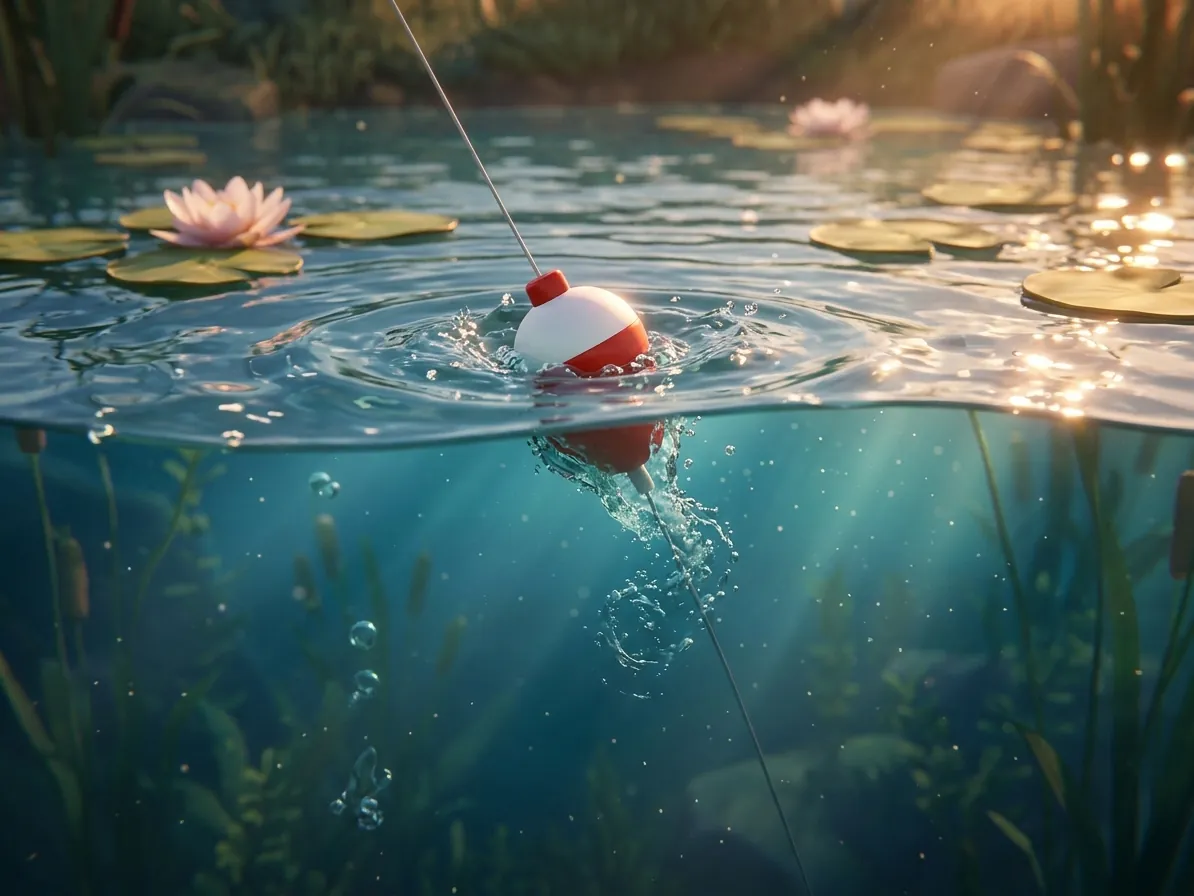
Pay attention to the small signals the game gives you. A bobber might dip slightly, the controller might give a light vibration, or the line might twitch. Those little nibbles are often the fish testing your bait. Reacting too early can pull the bait away. Learning the difference between a nibble and a real bite is one of the most satisfying skills to develop.
Setting the hook at the right moment
When the real bite comes, most games ask you to set the hook with a quick input, such as a button press or a sharp upward flick of the stick. The window can be short, and that is part of the fun.
If you keep missing fish, slow down. Wait for a clear, firm signal rather than the first twitch. Some games show a more pronounced splash or a deeper bobber plunge for the real bite. In real fishing, anglers also learn to feel the difference between a fish mouthing the bait and a fish that has properly taken it, so this mechanic mirrors a genuine skill in a simplified way.
Line tension: the heart of every fight
After the hook is set, the fight begins. Nearly every fishing game has some version of a tension system. Reel too hard while the fish is pulling and the line may snap. Reel too gently and the fish might shake loose or swim into cover.
The usual rhythm is simple: reel when the fish tires or swims toward you, and ease off when it makes a strong run. Many games show tension with a color change, a sound cue or rod bend. Watch the rod tip on screen; it often tells you more than any meter. Upgraded line and reels in some games give you more room for error, but good timing remains the core skill.
A calm routine for your first session
If you are just starting a new fishing game, this simple routine can help you settle in.
- 01
Explore before you cast
Walk or boat around the first area and look for features like docks, weeds, rocks and shade.
- 02
Practice short casts
Aim for specific targets close by to learn the casting controls and timing.
- 03
Watch the signals
Spend a few casts just noticing how the game shows nibbles versus real bites.
- 04
Fight gently
Keep tension moderate and let the fish tire before reeling hard.
- 05
Take short breaks
Fishing games are meant to be relaxing, so step away if you start feeling frustrated.
Related articles
 What fishing games get right about real fishing, and what they skip
An honest opinion on how fishing video games capture the patience and joy of real fishing, what they simplify and why that can still be a good thing.
Read more
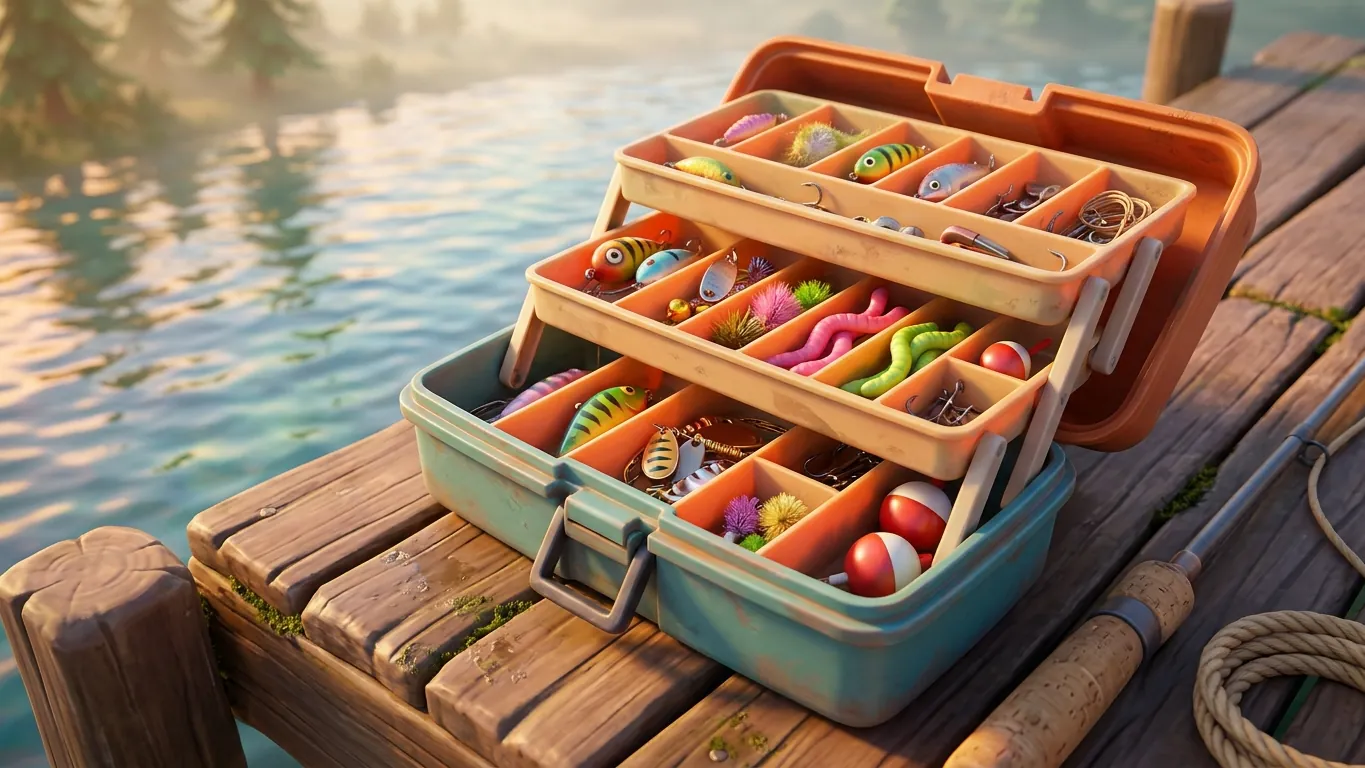 Lures and baits explained: from tackle box to in-game inventory
A friendly guide to common lure types and baits, what each is designed to do, and how fishing games simplify lure choice for players.
Read more
 Reading the water: finding fish in real lakes and virtual ones
Learn to read water like an angler: structure, depth, current and shade, and how these ideas help you find fish in both real lakes and fishing games.
Read more