What fishing games get right about real fishing, and what they skip
Fishing games capture a surprising amount of what makes the hobby special, but they also leave out a lot. This opinion piece looks at both sides with affection.
Where the games truly shine
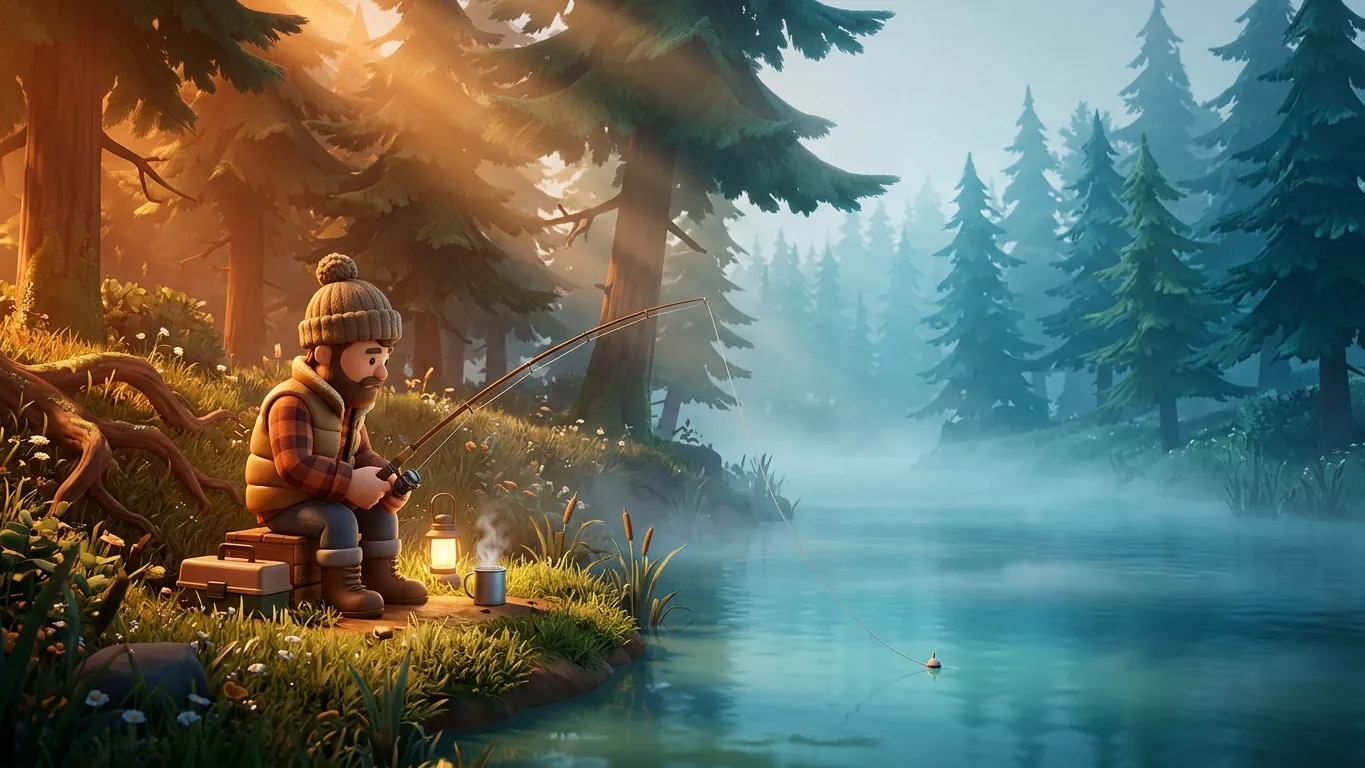
The best thing fishing games do is capture the rhythm of the hobby. There is the quiet anticipation after a cast, the small thrill of a bite and the tense back-and-forth of the fight. Even a simple minigame can deliver that little jolt of excitement when the bobber disappears.
Many games also teach a useful mindset: fish are not everywhere. Games that place fish near weeds, drop-offs or shade encourage you to look at the water and think. That is a real fishing habit, and it is lovely to see it turned into gameplay.
What gets simplified along the way
Of course, games trim away a lot. Bites often come more quickly than they would on a slow day at the lake. Fights are usually shorter and more predictable. Tangles, snagged hooks, lost lures and wind knots rarely show up, or appear only as a light inconvenience.
Games also tend to simplify fish behavior. Real fish respond to water temperature, pressure changes, food sources and many other factors that are hard to model. A game may reduce all of that to a time-of-day system and a few habitat zones. That is understandable, because a fully realistic system could quickly feel more like work than play.
The things no screen can give you
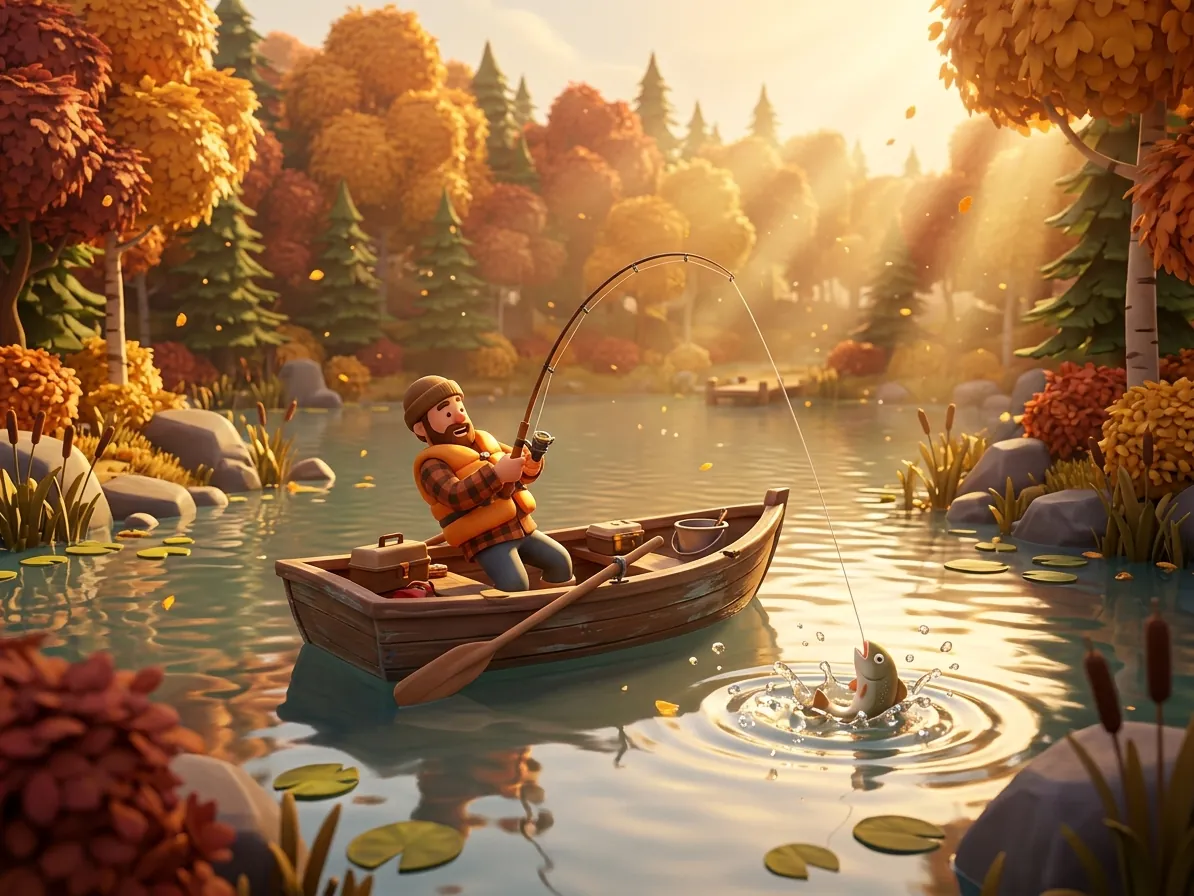
Some parts of real fishing simply cannot be packed into a game. There is the smell of the water early in the morning, the chill in your hands, the feel of a line through your fingers and the sound of birds as the day warms up. There is also the unpredictability of nature, which can be frustrating and wonderful at the same time.
Real fishing also comes with responsibilities that games usually handle lightly or not at all, like following local rules, handling fish carefully and leaving your spot clean. Those are part of the experience too, and they give the hobby a depth that is hard to recreate digitally.
Why the simplifications are mostly fine
It is easy to criticize a game for being unrealistic, but that misses the point of many fishing titles. Some aim to be relaxing, cozy experiences. Others aim for detailed simulation. Both are valid, and each makes trade-offs that suit its audience.
A cozy game that gives you a fish every few minutes is not lying about fishing; it is offering a different kind of comfort. A simulator that asks you to choose line strength carefully is offering a different kind of challenge. The trick is knowing what you want from your session.
Can playing make you a better weekend angler?
In a limited way, perhaps. Games can help you get familiar with ideas like targeting structure, being patient and not forcing a fight. They can make terms like crankbait or drop-off feel less intimidating.
What they cannot do is replace practice with real equipment in real conditions. If a game sparks your curiosity, consider it an invitation rather than a lesson. Read up on the basics, check your local rules, and maybe spend an easy morning at a nearby pond to see how it compares. Either way, enjoying both worlds is a fine way to love fishing.
Related articles
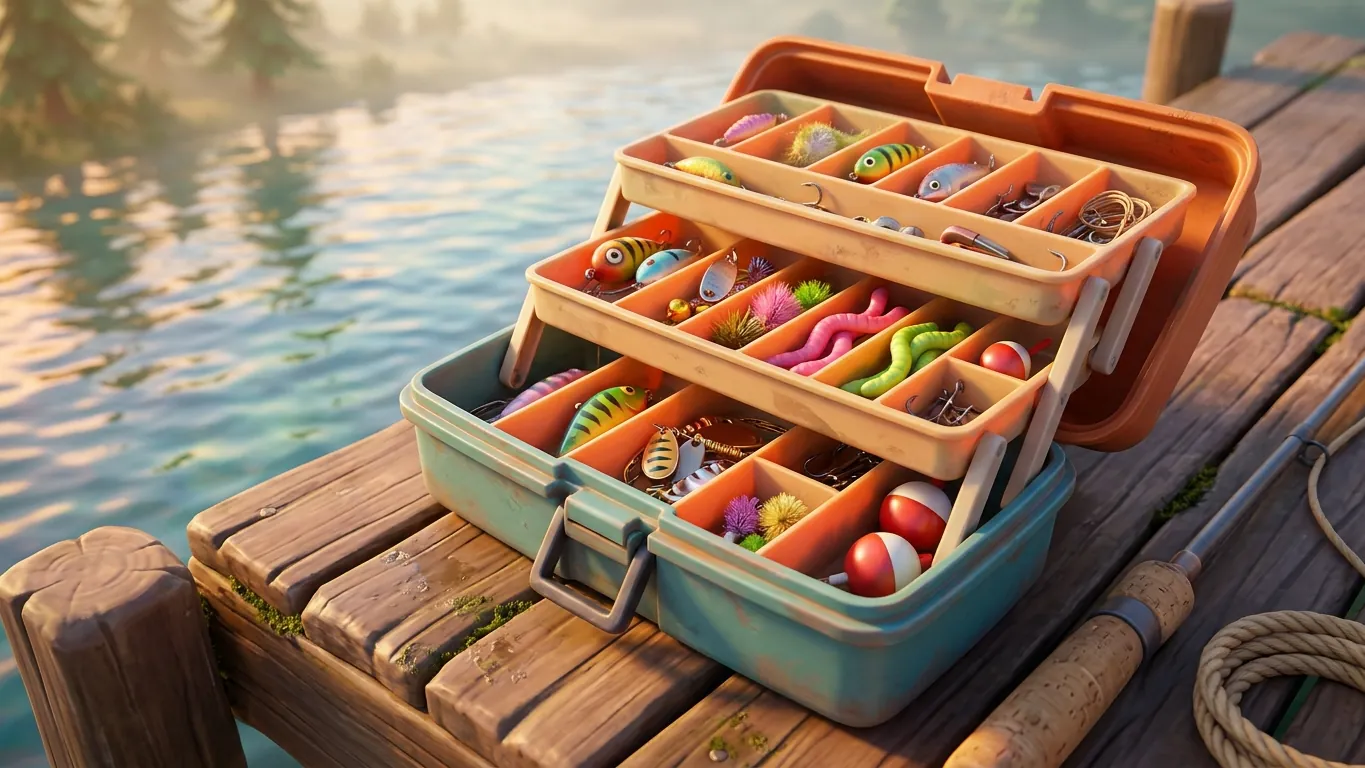 Lures and baits explained: from tackle box to in-game inventory
A friendly guide to common lure types and baits, what each is designed to do, and how fishing games simplify lure choice for players.
Read more
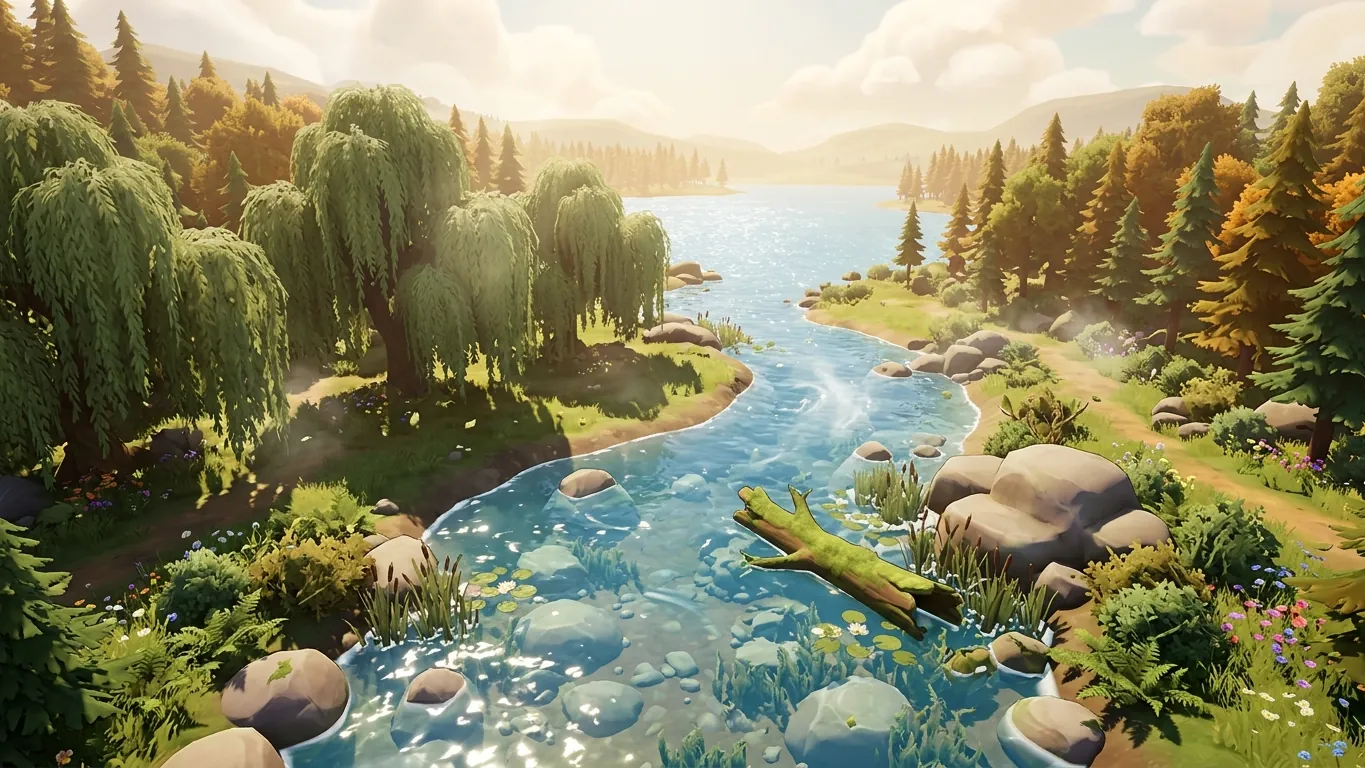 Reading the water: finding fish in real lakes and virtual ones
Learn to read water like an angler: structure, depth, current and shade, and how these ideas help you find fish in both real lakes and fishing games.
Read more
 From controller to shoreline: planning your first weekend fishing trip
Inspired by fishing games to try the real thing? Here is a calm, practical guide to planning a first weekend outing, from local rules to simple gear.
Read more