Weather, time of day and bites: what anglers watch and games model
Anglers have long paid attention to light, weather and seasons when deciding when to fish. Here is an explainer on those ideas and how fishing games translate them into gameplay.

Why dawn and dusk get so much attention
Many anglers like to fish early in the morning and in the evening. A common explanation is that lower light makes some fish feel safer moving into shallow water to feed, and temperatures can be more comfortable in warm months.
That does not mean midday is hopeless, only that conditions change. Fishing games often reflect this with a day and night cycle where certain species are more active at specific hours. If a game has a clock, it is worth paying attention to it. Try the same spot at different times and see what changes.
Cloud cover and light levels
Cloudy days are often mentioned by anglers as good fishing conditions. With less bright sunlight, fish may roam more widely instead of staying tucked in shade. Bright, clear days can push some fish deeper or under cover.
In games, overcast weather may be a simple modifier that increases bite chances or changes which fish appear. Treat these as the game's own rules. In real life, fish behavior depends on many factors at once, and anglers often find that a pattern holds one weekend and not the next.
Wind and water movement
Wind can push surface food and small baitfish toward one side of a lake, and some anglers like to fish the shore the wind is blowing into. Wind can also make casting harder and boating less comfortable, so it is always a balance.
Games rarely model wind in great detail, but some simulators include it as a factor in casting distance or fish location. When a game shows wind, try casting with it rather than against it and see if your results improve. Outdoors, strong wind on open water is also a safety concern, so check conditions before heading out on a boat.
Seasons and water temperature
Seasons shape fish behavior in real waters. As water warms in spring, many species become more active. In summer, deeper or shaded water may be more attractive during the heat of the day. Autumn often brings feeding activity, and winter can slow many fish down.
Fishing games with seasonal systems use this to create variety, making some fish available only at certain times of year. It adds a nice sense of rhythm and encourages you to return regularly. In real fishing, seasonal rules can also apply, so check local regulations as the year changes.
Using conditions as a guide, not a guarantee
The healthiest way to think about weather and timing is as hints. They can help you decide when and where to try, but they never promise a catch. That is true in games with random elements and even more true outdoors.
A good habit is to keep simple notes. In a game, write down the time, weather and spot when you catch something interesting. On a real outing, note the conditions and what you observed. Over time, you will build your own understanding, which is one of the most rewarding parts of being a weekend angler.
Related articles
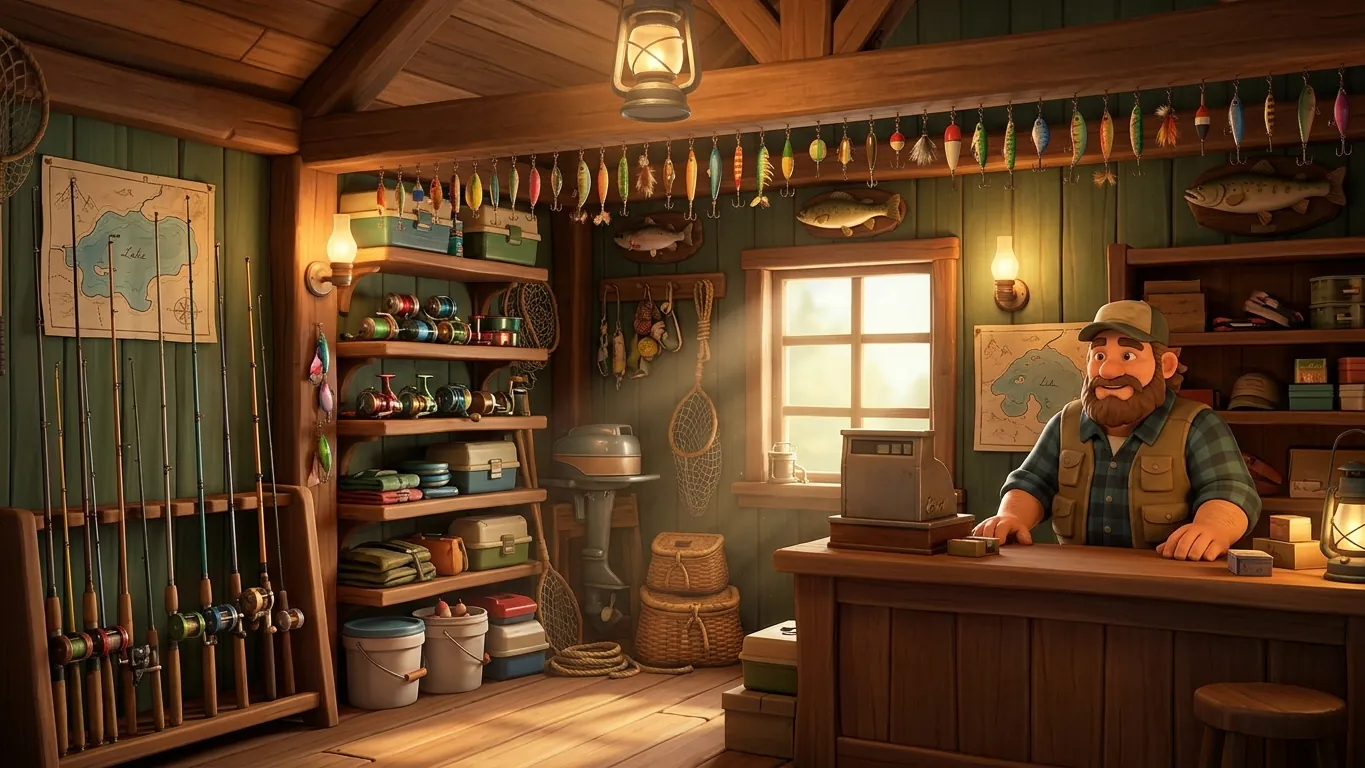 Gear progression in fishing games: upgrading with a plan
Tips for upgrading rods, reels, line and lures in fishing games, spending in-game currency wisely and building a setup that fits how you like to play.
Read more
 Catch and release basics: handling fish with care
An introduction to catch and release: careful handling, reducing time out of water and following local rules, plus how fishing games portray releasing fish.
Read more
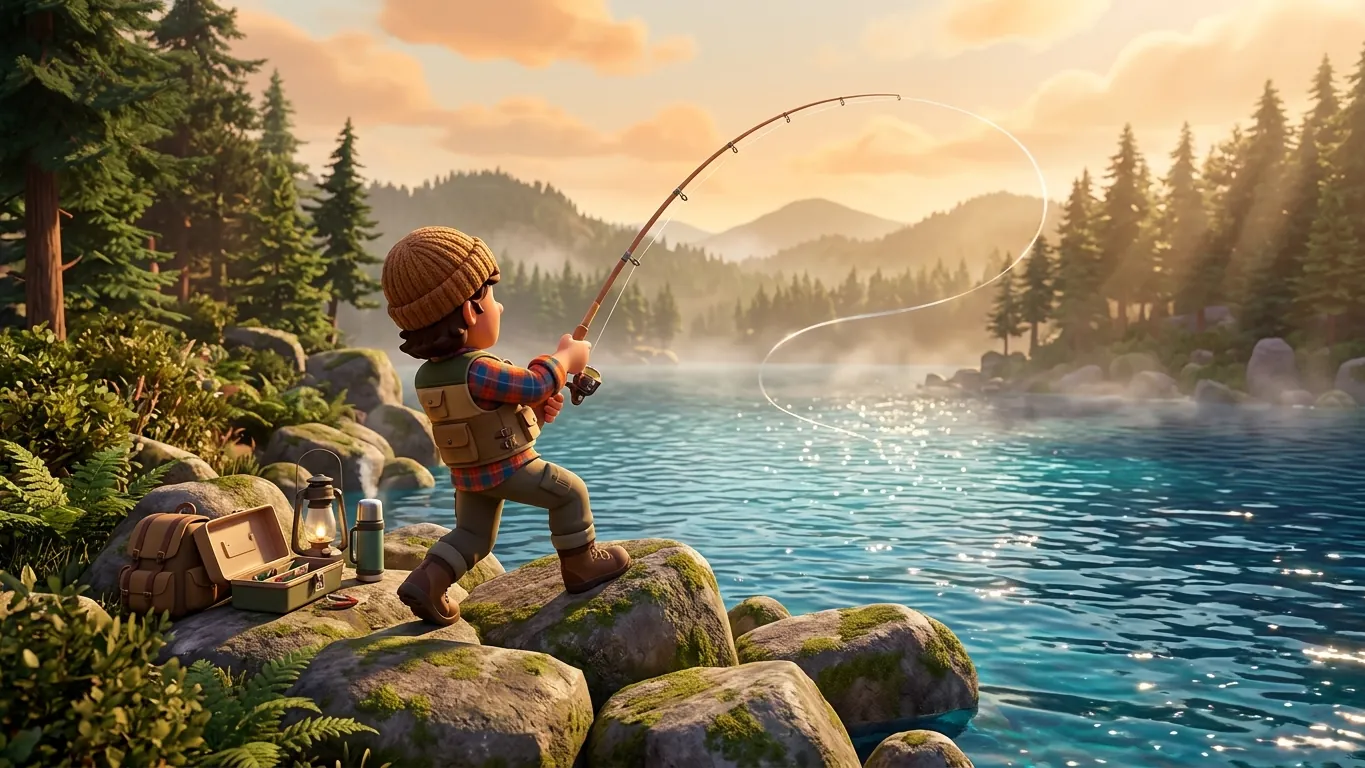 Fishing game basics: cast, hook and reel without the frustration
New to fishing games? Learn how casting, waiting for a bite, setting the hook and managing line tension usually work, with tips for a calm first session.
Read more